Hospital Security: Core Protection Types and Full-Site Safety Solutions
Introduction
Hospital security is one of the most complex and critical public safety categories, as medical facilities feature high pedestrian flow, vulnerable groups, valuable medical equipment, confidential patient data, and sudden emergency scenarios. Unlike commercial or residential security scenarios, hospitals require balanced protection for personnel, property, data, and public order while ensuring unobstructed emergency passage and humanized medical services.
According to official medical safety statistics, more than 68% of hospital safety incidents are caused by incomplete security protection systems, including unauthorized personnel intrusion, medical property theft, patient dispute conflicts, and unregulated access to restricted areas.
A standardized multi-layer hospital security protection system can reduce medical site safety risks by up to 85% and effectively maintain stable medical order National Health Commission: Hospital Safety Order Management Guidelines. This article comprehensively sorts out the essential protection measures required for modern hospitals, covering physical defense, access control, technical prevention, and emergency security.
Core Hospital Security Protection Dimensions Modern Medical Facilities Need
1. Physical Isolation & Boundary Protection
Boundary physical protection is the first line of hospital security, which prevents external irrelevant personnel and dangerous goods from arbitrarily entering the medical area. As clearly required by national medical safety standards, all formal hospitals must set up standardized boundary isolation facilities such as anti-climb fences, safety guardrails, and closed pedestrian & vehicle access gates to form an independent closed-loop safety area.
For different functional partitions inside the hospital, hierarchical physical isolation is also essential. Key areas such as operating rooms, intensive care units (ICU), drug warehouses, and medical equipment rooms need independent isolation barriers to block non-medical staff access. Public areas including outpatient halls and inpatient corridors adopt flexible isolation facilities to guide pedestrian flow and avoid crowding and stampede risks. This layered physical protection solves the fundamental chaos of mixed personnel flow in hospitals.

2. Intelligent Access Control Protection
Unregulated personnel access is the biggest hidden danger affecting hospital security. Hospitals have complex personnel components, including doctors, nurses, patients, family members, logistics staff, and external visitors. Traditional manual registration has low efficiency and poor supervision, easily leading to unauthorized entry and medical privacy leakage.
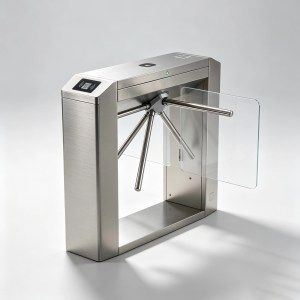
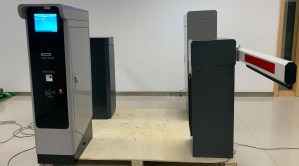
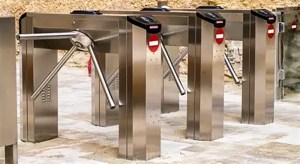
Modern hospital access protection needs intelligent pedestrian gates, vehicle boom gates, and multi-verification access control systems. Public hospital management specifications clearly stipulate that large hospitals with daily outpatient visits exceeding 5,000 people must deploy standardized access control and safety inspection equipment at main entrancesState Council: Hospital Safety Management Policy Documents.
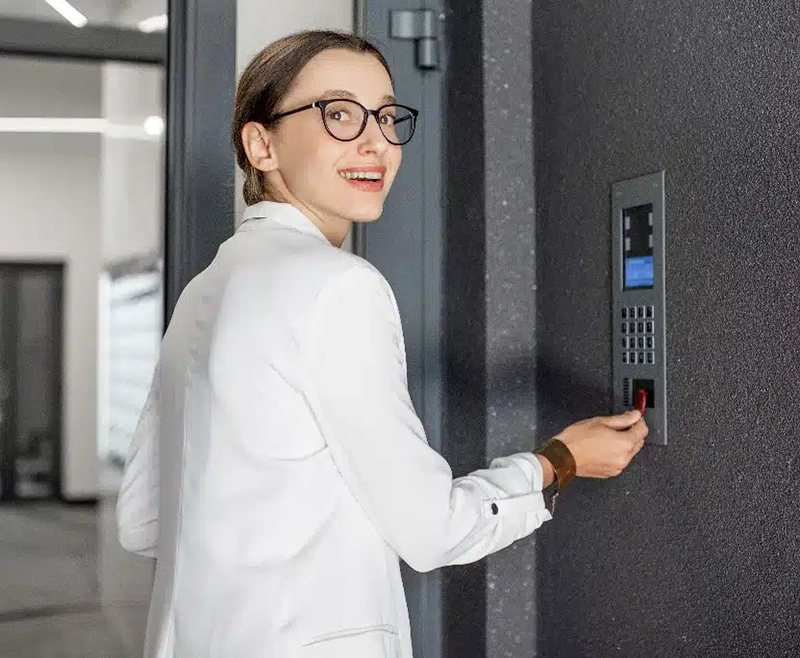
Intelligent access equipment supports hierarchical permission management: open public areas for visitors, restrict restricted areas to professional medical staff only, and realize one-person-one-pass verification to prevent tailgating and illegal intrusion, greatly optimizing on-site security order.
3. 24/7 Video Monitoring & Technical Prevention Protection
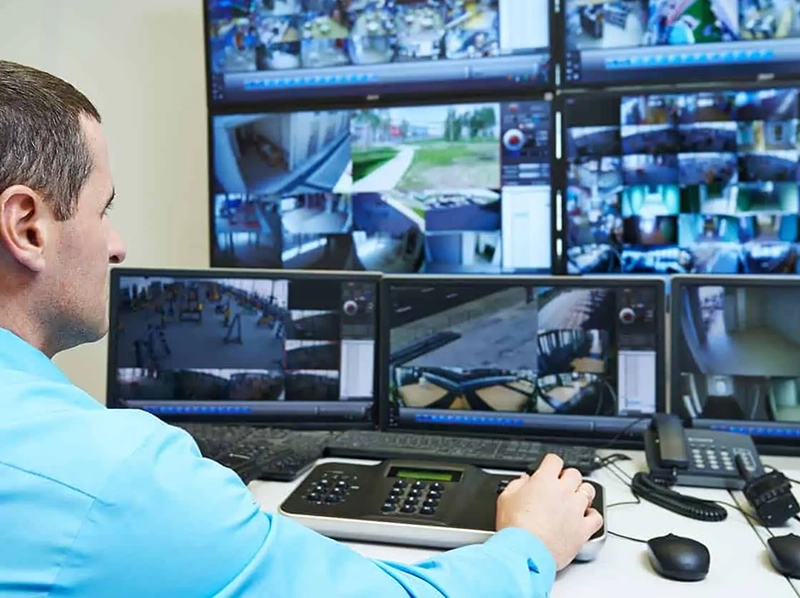
Technical defense system construction is the core of modern hospital security upgrading. National medical safety regulations require hospitals to realize full coverage of high-definition monitoring in public areas, passageways, elevator cars, and key functional areas without blind spots, and build a centralized security monitoring center for unified scheduling and management.
Matching technical protection equipment also includes infrared alarm systems, electronic patrol systems, and dangerous goods detection devices. The system can automatically identify abnormal behaviors such as staying for a long time, violent damage, and carrying prohibited items, and trigger real-time alarms. Industry data shows that hospitals with complete technical defense linkage systems can increase the detection rate of potential safety hazards by 92%, realizing active early warning rather than passive post-incident disposal.
4. Medical Property & Drug Safety Protection
Hospitals gather a large number of high-value precision medical devices and special controlled drugs, which are key targets of theft and illegal trading. Effective hospital security must include targeted property and drug protection mechanisms. Restricted warehouses for controlled drugs and precision equipment need to be equipped with anti-theft doors, password access control, and real-time monitoring linkage systems, with all access records automatically archived and traceable.
For mobile medical equipment and public facility assets, regular electronic patrol and intelligent inspection are adopted to reduce property loss risks. This targeted protection effectively avoids medical asset loss and illegal drug outflow, ensuring standardized and safe hospital operation.
5. Emergency Incident & Personnel Safety Protection
Medical venues are prone to sudden conflicts, medical disputes, emergency accidents and mass casualty incidents. Perfect hospital security needs to be equipped with complete emergency response mechanisms and safety protection configurations. This includes emergency evacuation passage protection, anti-violent equipment deployment, and real-time police linkage systems.
The passage gates and access equipment are designed with emergency opening functions, which can be quickly unlocked in one second during fires, earthquakes and emergencies to ensure unobstructed evacuation passages. Meanwhile, the security system can quickly locate abnormal incident areas, assisting security personnel and medical staff in rapid disposal and minimizing personnel safety risks.
RS Security’s Professional Hospital Security Supporting Solutions
With 15+ years of experience in intelligent security equipment R&D and manufacturing, RS Security deeply understands the diversified and high-standard protection needs of hospital scenarios, and provides customized full-set hospital security supporting equipment and systematic solutions.
Our core products including anti-tailgating pedestrian gates, intelligent access control systems, and safety isolation barriers are fully adapted to hospital high-frequency pedestrian flow and strict safety standards. All equipment supports hierarchical permission management, emergency quick release, and 24-hour stable operation, perfectly solving the pain points of personnel chaos, difficult restricted area management, and poor emergency response in medical venues.
Different from ordinary commercial security equipment, our hospital-specific products adopt silent operation design, anti-collision and anti-rust materials, which will not interfere with medical work and are suitable for long-term all-weather operation. Our security solutions have been deployed in hundreds of public and private medical institutions worldwide, helping hospitals build standardized, intelligent and humanized safety protection systems.
Conclusion
Complete hospital security protection covers five core dimensions: physical boundary isolation, intelligent access control, technical defense monitoring, asset drug protection, and emergency safety guarantee. It is a systematic project that balances safety, efficiency and medical humanization.
With the continuous improvement of medical safety management standards, traditional manual patrol and single physical defense can no longer meet operational needs. Deploying intelligent, linked and standardized security equipment is the key to upgrading modern hospital safety management. With professional scenario customization and high-quality equipment performance, RS Security provides reliable full-cycle safety protection for all types of medical facilities.